


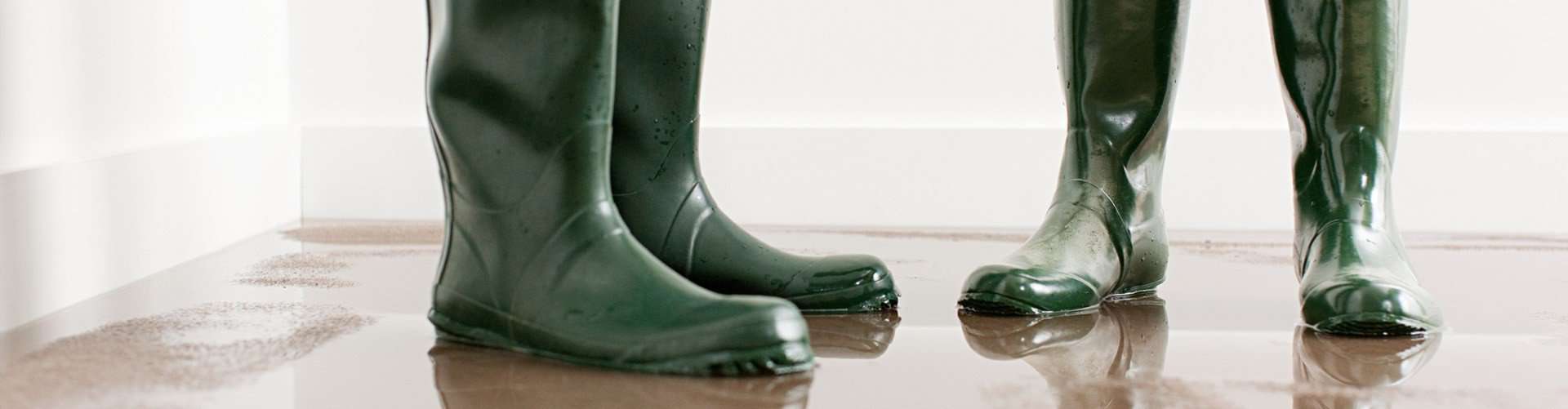
Here’s how to tackle the 4 main moisture problems in your basement
The leading causes of moisture problems in the basement
Do you have a damp basement? It’s not surprising that an underground basement often suffers from moisture issues. Groundwater, especially during wet periods, puts a great deal of pressure on underground structures. In particular, infiltrating water and groundwater seepage through the floor are major causes of basement moisture problems. The joint between the floor and the walls, known as the cove joint, is especially vulnerable. In addition, condensation and leaking pipes are two other key causes of basement moisture issues.

Found the cause? Let’s get to work!
Now that you know what’s causing the damp in your basement, it’s time to take action and make your basement dry again. If rising damp is the issue, the solution will be more invasive. Penetrating damp and condensation are much easier to eliminate.
Here’s how to tackle the leading causes of moisture problems in the basement:
1. Condensation in your basement
A cool space like a basement is naturally prone to condensation problems. There is always some moisture in the air, and this can easily condense on the cold basement walls. The result? Walls that feel damp to the touch. The leading cause of damp in the basement is poor ventilation. By improving ventilation in your basement, you can prevent many problems such as mould growth and musty odours.
2. Seepage of groundwater
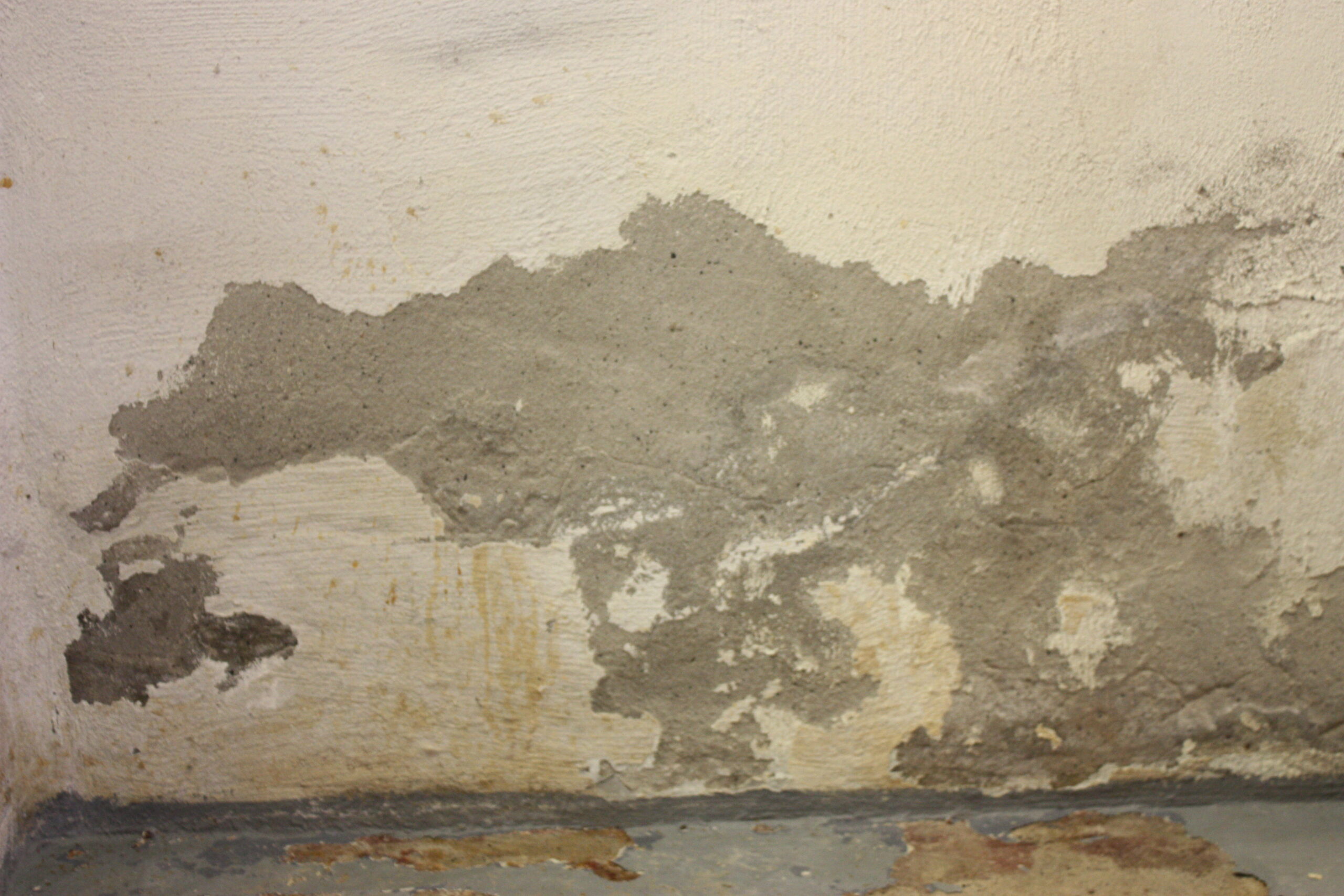
A second major cause of moisture in the basement is groundwater seeping in. Groundwater pressure against your basement walls can become quite significant. Not every basement can withstand this pressure, and over time, your walls can become porous, which may eventually lead to rising damp spreading throughout the rest of your home. Rising damp never occurs in the basement itself, only above ground level.
You can tackle this problem by waterproofing your basement and applying a waterproof coating to the inside of your basement walls. With Basement Protect Cement or Basement Protect Epoxy you can make basement walls permanently waterproof quickly and easily. Make sure to seal all holes and cracks first with Basement Protect Regular Plug.
3. Leaks from pipes
Water in the basement is often caused by a leak in a water pipe, drain or sewer pipe nearby. Because pipes aren’t always visible, it’s not always immediately clear what’s causing the moisture issue. One key difference with this type of damp problem is that it usually appears suddenly and quickly results in a large amount of water. That makes it easier to distinguish from other types of basement damp.
The solution, of course, is to locate the leak and plug it. In most cases, it’s best to hire a plumber for this.
4. Water entering through the cove joint
The cove joint is often a vulnerable point in the basement. This is the area where the floor meets the walls. If this connection is not properly sealed, water can seep into the basement through this gap. The best way to solve this issue is to chisel out the cove joint and seal it using Basement Protect Regular Plug. This is a fast-curing product that works exceptionally well in the case of acute leaks. After sealing, you can treat the walls and floor with Basement Protect Epoxy.
Tip: Building a house with a basement? Be sure to treat the outside of your basement with a waterproofing layer such as Foundation Protect Regular or Foundation Protect Expert from Aquaplan. This will prevent a lot of moisture problems later on.
Blogs that you also enjoy reading
Want to tackle the damp in your basement yourself? Follow this simple step-by-step guide!

